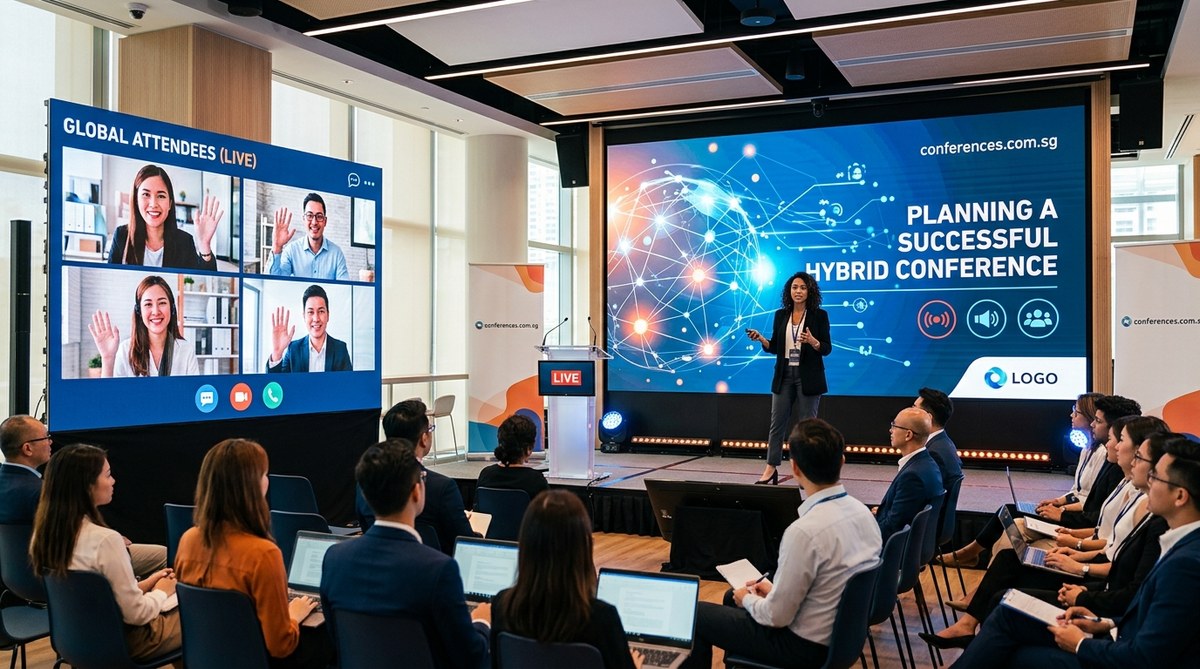
How to Plan a Hybrid Conference That Actually Works
From experience guiding professional events through every stage of planning, we know that a hybrid conference is not just a trend it is a powerful way to expand reach while maintaining intimacy. The challenge is not just to stream a keynote it is to design an experience that makes remote attendees feel seen heard and part of the action. At Conferences com sg we blend event planning expertise with insights on hybrid technology, security, AI and even luxury touches to help you create conferences that work for everyone. In this guide you will find a practical framework, actionable checklists and templates you can reuse for your next hybrid conference.
Why hybrid conferences are here to stay
Hybrid conferences unify in person energy with the accessibility of virtual attendance. They allow you to reach global audiences while preserving the networking and exclusivity that live events provide. The benefits go beyond attendance numbers:
- Expanded audience reach across time zones and geographies
- More flexible sponsorship opportunities and tiering
- Content repurposing potential that multiplies the life of sessions
- Resilience against disruptions such as travel limitations or weather issues
- Data collection opportunities that inform future event design
However the upside only shows if you address a few core realities: technical reliability, inclusive design, thoughtful engagement, and a clear value proposition for both in person and remote participants. The good news is that with careful planning you can unlock the benefits without compromising quality or attendee experience.
Define your hybrid strategy
A strong hybrid strategy starts long before day one of the event. It begins with clarity about who you are serving and what success looks like.
Audience mapping
Creating two audience profiles helps you tailor every decision from platform choice to session formats.
- In person attendees who value networking, immersive stage experiences and tactile engagement
- Remote attendees who value convenience, clear delivery of content and strong interaction with speakers and peers
Action steps:
1. List top three goals for each audience segment.
2. Map which sessions are essential for remote participation and which are more venue centric.
3. Design a shared event calendar that shows when key content goes live and when live networking opportunities occur.
Content design for hybrid
Not all content travels well between live and virtual environments. Strategically design sessions to be engaging for both audiences. Consider formats such as:
- Dual streams with synchronized Q and A that allow both audiences to participate
- Moderated discussions that bring in remote voices with real time polling
- Short, high energy breaks with lightning talks to keep attention
Technology stack
Your tech stack is the backbone of your hybrid conference. A smart selection aligns with your budget and your audience needs.
- Streaming platform that supports HD video audio and chat
- Event management system for registration access control and session scheduling
- Networking tools for remote engagement including polls breakouts and Q A
- AI assisted assistants to help attendees find sessions and connect with others
- Security measures that protect data and privacy
Recommendation: start with a platform that covers core needs and add specialized tools only if they deliver measurable benefits.
Build a robust technical plan
Technical success hinges on planning, testing and redundancy. Your plan should cover platform choice, AV and streaming, connectivity and security.
Platform selection
Choose a primary platform for livestreaming and a secondary platform for interactions if needed. Consider:
- Reliability track record with similar event sizes
- Accessibility features including captions transcripts and keyboard navigation
- Integrations with your registration system and exhibitor tools
- Global data center coverage to minimize latency for international attendees
AV and streaming workflow
From camera placement to audio engineering every detail matters for a professional experience.
- Hire a reputable AV partner with hybrid event experience
- Use redundant encoders and backup streams to reduce downtime
- Test run of all sessions including remote speaker checks
- Plan for on stage cues and house sound adjustments that work for both formats
Internet connectivity
A strong internet connection is essential, especially in venues with many devices. Build in:
- Primary and backup internet lines with sufficient bandwidth
- WIFI access points with coverage maps and capacity planning
- Ethernet drops for critical equipment and back up power for modems
- Clear bandwidth usage guidelines for exhibitors and speakers
Security and privacy
Hybrid events face similar security risks as any online service plus unique challenges from mixed environments.
- Enforce role based access and multi factor authentication for organizers and sponsors
- Use encrypted data transfer and secure storage for attendee information
- Regular security testing including vulnerability scans and incident drills
- Have a clear data retention policy and a compliant privacy notice for attendees
Engagement and interaction that feels real
Engagement is the heart of a successful hybrid conference. You want attendees to feel connected to the content and to each other.
Plenary and parallel sessions
Balance breadth and depth in your agenda.
- Offer a featured keynote with interactive segments for remote and in person audiences
- Create parallel tracks that can be streamed with interactive Q A
- Include short micro sessions to keep energy high and provide variety
Networking and expo
Networking is a major draw for in person attendees but it is equally valuable online.
- Virtual networking lounges and speed dating style meetups
- Hybrid expo halls where sponsors host live demos and remote chat
- AI powered matchmaking that suggests sessions and people based on interests
Q A and chat moderation
A healthy exchange improves trust and keeps the event dynamic.
- Set ground rules for Q A and appoint dedicated moderators
- Use real time translation if you expect a multilingual audience
- Incorporate moderated chat with the ability to flag inappropriate content
Logistics and operations that scale
Operational excellence turns a good plan into a smooth experience.
Venue considerations
Choose a venue that supports hybrid needs with robust connectivity and suitable spaces.
- Adequate stage area for hybrid production
- Quiet rooms for remote presenters
- Onsite technical support and clear access to power and internet
- Proximity to hotels and easy transportation for attendees
Hybrid registration and access
A seamless registration experience reduces friction and enhances satisfaction.
- Clear pricing for in person and virtual passes
- Easy add ons such as access to recordings and post event materials
- Separate check in lines for different attendee types to minimize queues
- Accessible registration information including schedules and session links
Time zone planning
When audiences are spread across zones, clarity matters.
- Display session times in multiple time zones
- Use a centralized run of show that aligns global clocks
- Record all sessions and provide on demand access for attendees who cannot attend live
Accessibility and inclusivity
Make participation easy for everyone.
- Live captions and sign language interpretation where needed
- Descriptions for media and screen readers
- Simple navigation and consistent layout across devices
- Keyboard accessible controls and visible focus indicators
Audience experience and branding
A strong experience reinforces your message and showcases your organization.
Luxury touches and accessories
Even in hybrid formats you can lean into premium touches that elevate the event.
- High quality stage design and lighting
- Branded swag and premium exhibitor kits
- Clear and elegant signage for both in person and online formats
- Thoughtful welcome gifts that work for both audiences
Content repurposing
A hybrid conference creates a treasure trove of content that can be repurposed across channels.
- Transcripts and captions for accessibility
- Short clips for social media and promotional material
- Blog posts and white papers drawn from sessions
- On demand video libraries for long term engagement
Security tips for hybrid events
Security is not optional it is essential for attendee trust and sponsor confidence.
Data protection
- Encrypt personal data in transit and at rest
- Limit data collection to what is necessary for the event
- Use secure third party services with strong privacy practices
- Audit data access and retention periodically
Access controls
- Role based access for staff and vendors
- Unique credentials for speakers attendees and exhibitors
- Temporary access windows for contractors
- Monitor for suspicious activity and have a quick response plan
Incident response
- Create an incident response playbook with defined roles
- Practice drills for data breaches or AV failures
- Clear communication templates for attendees and sponsors
- Post incident review with improvements for future events
Budgeting and ROI
A well planned hybrid event should deliver measurable value. Start with a clear budget and track return on investment.
Cost categories
- Platform and production costs
- Venue and on site personnel
- AV equipment and streaming services
- Sponsorship packages and exhibitor management
- Marketing and communications
- Contingency and insurance
ROI metrics
- Attendance numbers and engagement rates across channels
- Lead generation and sponsor satisfaction
- Content monetization and on demand views
- Post event feedback and participant net promoter score
- Long term impact such as increased partnerships and brand awareness
AI in hybrid conferences
Artificial intelligence can streamline planning and enrich the attendee experience when used thoughtfully.
AI for content planning
- Topic clustering from submissions to shape a balanced agenda
- Speaker recommendations based on audience interests
- Automated calendar optimization to fit global time zones
AI for attendee experience
- Smart attendee guides with personalized session suggestions
- Real time translation and captioning improvements
- AI facilitated networking matchmaking
- Sentiment analysis during sessions to adjust pacing and engagement
Post event and follow up
The work continues after the final session ends. A strong post event program multiplies the value of your investment.
- Share recordings and materials with attendees
- Publish a concise post event report with key takeaways
- Nurture leads with targeted follow up emails and resources
- Gather feedback through surveys and interviews to improve future events
- Reflect on what worked, what did not, and update your playbook
Checklists and templates
Templates save time and reduce risk. Use these starter templates and customize to your event.
Tech setup checklist
- Confirm platform licenses and access for staff
- Run a full rehearsal with speakers including remote participants
- Verify streaming backups and redundancy plans
- Test connectivity in all planned locations including backup spaces
- Prepare backup devices and quick recovery steps for each station
Run of show template
- Pre event briefing including all roles and contact details
- Session timing with buffer windows for overruns
- Speaker rehearsals and tech checks
- Live Q A and engagement moments scheduled and announced
- Post event wrap and media release plan
Conclusion
A hybrid conference that truly works is built on purpose clear strategy and disciplined execution. It requires thoughtful audience mapping smart technology a focus on security and a commitment to exceptional attendee experience. By combining practical project management with the luxury touches that elevate a conference and the power of AI to streamline operations you can create an event that resonates with both in person and virtual attendees. At Conferences com sg we are passionate about helping planners in Singapore and beyond craft hybrid experiences that are meaningful, measurable, and memorable. Ready to start planning your next hybrid conference? Use the templates and checklists in this guide as your first step and let your event set a new standard for hybrid excellence.