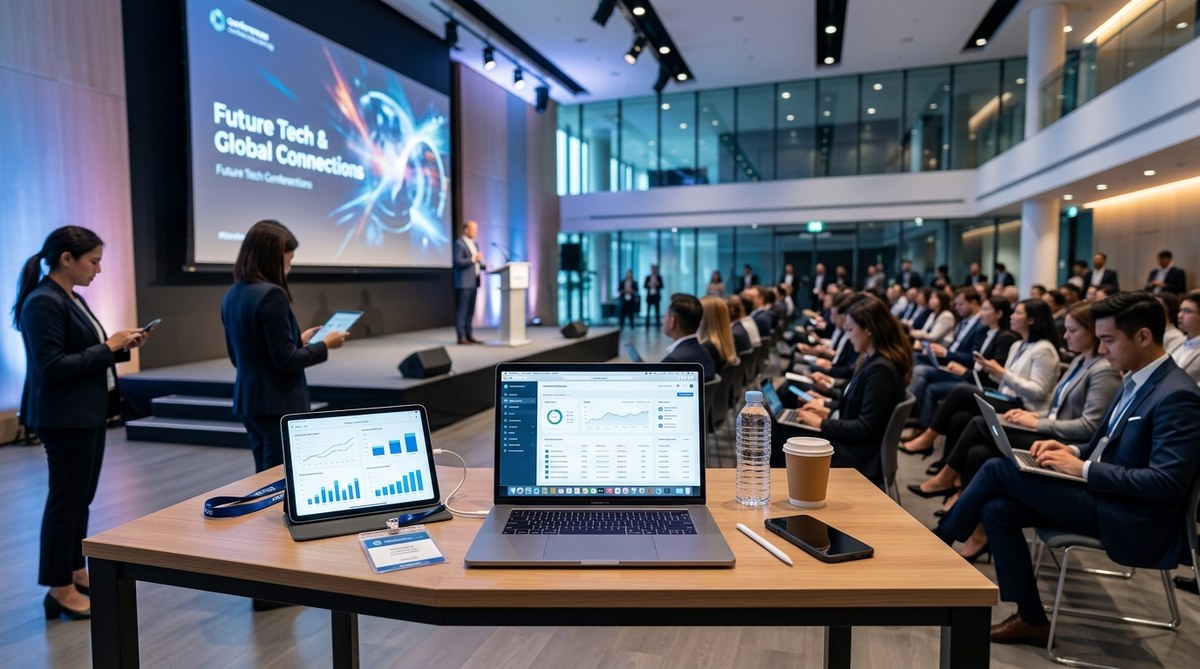
Essential Tech Tools for Modern Business Conferences
In today’s fast moving conference landscape, technology is not just a nicety it is a necessity. Hybrid formats demand seamless integration of in person and virtual experiences, while attendees expect fast reliable connectivity and smart, intuitive tools. At Conferences.com.sg we help event professionals elevate every detail with insights on hybrid conference planning business laptops email tools security tips and AI powered solutions. This comprehensive guide shares the essential tech toolkit for modern business conferences including practical buying advice and setup tips to ensure your event runs smoothly from start to finish.
Essential Tech Toolkit for Modern Business Conferences
To host a truly successful conference you need the right mix of hardware software and smart processes. Below is a curated toolkit designed for today’s hybrid audience, with practical guidance you can apply to any venue and budget.
Hybrid Conference Planning Essentials
Hybrid conferences combine in person engagement with virtual participation. This dual format requires careful planning and reliable tech to avoid delays and frustrations.
- Prioritize a central AV hub
- Invest in a robust switcher a professional camera setup and a reliable mixer to manage multiple feeds.
- Ensure there is a dedicated technician on site for troubleshooting during sessions.
- Choose flexible streaming platforms
- Look for platforms that support multi view layouts automatic captions and easy attendee interaction.
- Ensure there is a fallback option if the primary platform experiences an outage.
- Simplify the attendee experience
- Provide a single registration and access point for both in person and virtual attendees.
- Use a unified agenda with live updates and push notifications to all participants.
- Plan for bandwidth and latency
- Conduct pre event network tests at the venue and have a backup internet line.
- Consider edge caching for on site content to reduce latency for remote viewers.
- Foster engagement across formats
- Use live Q and A polls and breakout rooms to keep remote attendees connected.
- App based networking lounges can help both sides find relevant connections.
Must-Have Conference Laptops and Devices
Choosing the right devices is crucial for production staff presenters and even exhibitors.
- For staff and organizers
- A lightweight high performance laptop with all day battery life and fast storage.
- Consider a 2 in 1 device for versatility if you need tablet mode for notes during sessions.
- For presenters
- Sleek reliable laptops with strong graphics for slide decks and media.
- Quick connection options and good wireless performance to prevent lag during demonstrations.
- For exhibitors and staff on the floor
- Rugged tablets or convertible laptops that can handle event day wear and tear.
- USB C hubs with multiple ports to connect projectors displays and charging docks.
- General buying tips
- Choose models with strong security features including fingerprint or facial recognition and enterprise level encryption.
- Favor long lasting batteries and efficient displays to reduce the need for frequent recharges.
- Ensure devices are easy to service and maintain with access to authorized service centers.
Email Tools to Power Your Conference Communications
Emails remain a powerful channel for pre event invites reminders and post event follow ups.
- Pre event communications
- Use segmented lists based on role interests geography and ticket type.
- Personalize subject lines and save A B tests for open rates.
- RSVP and registration management
- Integrate email tools with your registration system to send auto confirmations and calendar invites.
- Send clear instructions badges directions and venue details.
- During and after the event
- Send dynamic agendas with real time updates for attendees.
- Create post event surveys and feedback emails with simple one click responses.
- Security and deliverability tips
- Use verified domains and SPF DKIM and DMARC records to prevent spoofing.
- Run regular list hygiene and unsubscribe cleanups to maintain sender reputation.
Security and Privacy Tools for Conferences
Security is a top priority at all times whether the event is in person or hybrid.
- Network security
- Provide a trusted guest network with strong encryption and isolated guest access.
- Use a captive portal for onboarding and clear terms of use including privacy policies.
- Device security
- Enforce up to date antivirus endpoint protection and automatic updates on all devices used for the event.
- Enable remote wipe capabilities for lost or stolen devices.
- Data privacy
- Collect only the data you need and store it securely with access controls.
- Anonymize attendee data where possible and establish a data retention policy.
- Attendee safety online
- Offer secure chat channels and verified speaker sessions to reduce phishing attempts.
- Provide clear guidelines on how attendees should handle personal information.
AI Enabled Conference Solutions
Artificial intelligence can add significant value from matchmaking to real time translation and smart note taking.
- Agenda optimization
- AI can analyze attendee profiles and preferences to suggest relevant sessions and networking opportunities.
- Matchmaking and networking
- Smart matchmaking tools can pair attendees with similar interests or complementary goals.
- Translation and accessibility
- Real time translation and captioning can broaden accessibility and improve engagement across language barriers.
- AI driven content
- AI can summarize keynote talks and generate highlights for post event distribution.
- Virtual assistants
- Chatbots can answer common questions and guide attendees through schedules or venue maps.
Networking and Engagement Tech
A central aim of modern conferences is meaningful connections. The right tools make networking smoother and more valuable.
- Digital business cards
- Enable attendees to exchange contact details instantly via NFC or QR codes.
- Allow quick import of contact information into CRM or contact apps.
- Attendee discovery apps
- Create value with a mobile app that shows who is in the room and who shares interests.
- Include privacy controls so attendees can opt in or out of visibility.
- Beacons and location services
- Use beacons to guide attendees to sessions or exhibitors while gathering consent based analytics.
- Ensure data collection complies with local privacy laws.
- Interactive session tools
- Live polls Q and A and word cloud features keep attendees engaged.
- Real time note sharing and session highlights improve post event recall.
On Site Must Haves for Conference Access
On site essentials ensure attendees can focus on content rather than logistics.
- Charging solutions
- Provide charging lounges with multiple outlets USB ports and wireless charging pads.
- Use signposted power hubs to prevent cable chaos.
- Connectivity and power
- Durable power strips and surge protection on stage podiums.
- Visible wi fi passwords and easy to join instructions for attendees.
- Badges and security
- Premium lanyards clear ID badges and attendee kits with essentials.
- Use RFID or NFC badges for faster check in and session access.
- Exhibition floor readiness
- Portable displays ensuring exhibitor content is visible from multiple angles.
- Easy to sanitize devices and surfaces in high traffic areas.
Data and Analytics Tools
Data driven decisions lead to better experiences and higher ROI.
- Real time analytics
- Monitor session attendance drop off engagement and dwell times.
- Use dashboards to forecast crowd flow and adjust room capacity on the fly.
- Feedback loops
- Quick polls during sessions to measure satisfaction.
- Post event surveys with Net Promoter Score and actionable comments.
- CRM integration
- Sync attendee data with your CRM for better follow ups and lead scoring.
- Track sponsor and exhibitor interactions to measure value delivered.
Budgeting and ROI Tools
Smart budgeting ensures you get the best return on your investment.
- Cost tracking
- Create a central budget with line items for venue tech speaker fees and marketing.
- Track actuals vs plan and flag overruns early.
- Vendor comparisons
- Use a standardized scoring rubric when evaluating AV partners wifi providers and software platforms.
- Include security and compliance ratings in your evaluation.
- ROI measurement
- Define success metrics before the event such as leads generated sessions attended or brand reach.
- Collect post event data to quantify outcomes and inform future planning.
Vendor and Supplier Checklist
A strong supplier network is the backbone of a smooth conference.
- Early engagement
- Start conversations 6 to 9 months ahead for peak seasons.
- Clarify responsibilities deliverables timelines and contingency plans.
- Clear requirements
- Provide venue layouts AV specifications lighting needs and internet bandwidth requirements.
- Ensure accessibility and language support needs are documented.
- Contract details
- Include service level agreements uptime expectations and response times.
- Confirm data handling privacy and security commitments.
- References and due diligence
- Request case studies or references from similar events.
- Check certifications and insurance coverage where applicable.
Practical Setup Tips for a Smooth Conference Tech Experience
Preparation saves time and reduces stress on event days.
- Pre event rehearsals
- Schedule mock sessions to test streaming backup feeds and attendee interactions.
- Run through the registration process and badge printing to catch hiccups early.
- Redundancy planning
- Have backup microphones cameras and a spare laptop for key staff.
- Prepare offline copies of crucial materials including slides and speaker notes.
- Onsite workflow
- Create a single source of truth for schedules speaker bios and room assignments.
- Use signage and floor staff to guide attendees to sessions and amenities.
- Security hygiene
- Train staff on phishing awareness and device handling best practices.
- Ensure Wi Fi passwords are rotated and shared securely.
- Post event wrap up
- Share recordings and highlights promptly.
- Provide access to the event app for post event networking and surveys.
Luxury and Premium Conference Accessories
For premium events the right accessories can elevate the attendee experience and reinforce brand prestige.
- Premium badge and lanyard sets
- Use high quality materials and customizable branding for a lasting impression.
- Consider magnetic or clip options for comfort and convenience.
- Charging lounges and premium power hubs
- Offer stylish charging stations with ample outlets and USB ports.
- Include cable management solutions that look tidy and professional.
- Premium attendee kits
- Curate kits with branded notebooks pens water bottles and tech accessories.
- Include thoughtful items like foldable phone stands or portable chargers.
- High end presentation and staging gear
- Invest in professional lighting quiet projectors and polished backdrops for photo worthy moments.
- Ensure stage micro environments are distraction free and well sound controlled.
- Luxury food and hospitality tech
- Use digital menus and contactless payment for premium catering experiences.
- Integrate hospitality apps for guest room bookings and on site services.
Practical Tips for Confidently Running a Conference Tech Program
Finally a few practical notes to help you stay ahead.
- Start with a technology brief
- Create a one page tech brief for speakers and exhibitors detailing the gear they will use and the best practices.
- Include contact information for the technical lead and a simple problem escalation path.
- Foster a culture of testing
- Schedule a full tech rehearsal at least one day before doors open.
- Validate every critical path including registration check in streaming and breakout sessions.
- Embrace scalable solutions
- Choose tools and platforms that can scale from small workshops to large multi track conferences.
- Build a modular tech stack so you can swap components without overhauling the entire system.
- Keep attendees informed
- Provide clear guidance on how to access virtual sessions how to use the app and what to do if something goes wrong.
- Update attendees with any changes as early as possible.
- Learn and adapt
- After the event collect feedback not just on content but on the tech experience.
- Use insights to improve future conferences and refine your tech toolkit.
Conclusion
Technology is a catalyst for modern business conferences. When you combine hybrid planning essentials with smart hardware devices robust security and AI driven capabilities you create an experience that is engaging efficient and memorable. At Conferences.com.sg we believe every conference should feel seamless from registration to networking to the final wrap up. By investing in the right tools and following practical setup tips you can deliver a superior event that resonates with both in person and virtual attendees.
If you are planning your next conference in Singapore or across the region and want expert guidance on premium conference accessories and must haves our team is here to help. Reach out for tailored recommendations on equipment software licensing and on site support that keeps your event running flawlessly. Remember the goal is simple to enable meaningful connections while showcasing your brand with confidence and elegance. With the right tech toolkit your modern business conference will not only meet expectations it will exceed them.